About us

Our companies

In order to fulfill international obligations, CGES carries out cooperation with transmission system operators through international organizations, as well as through corporate initiatives, namely joint ventures with other system operators from the interconnection.

Elektroenergetski koordinacioni centar d.o.o. (EKC)

Electricity Coordinating Center (EKC)

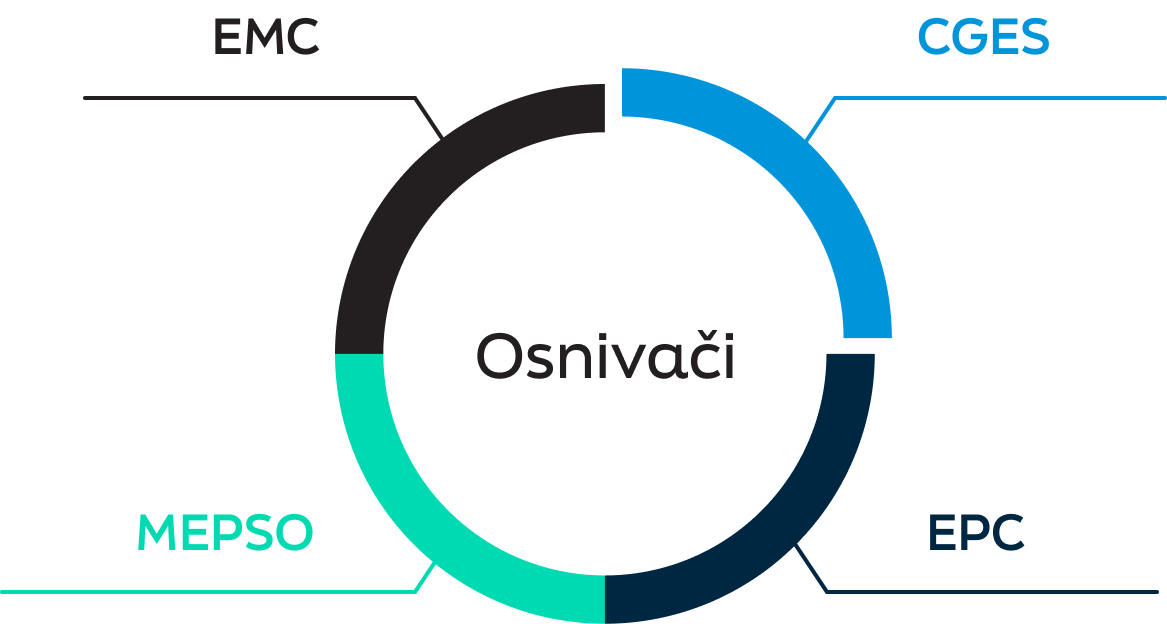
With the aim of implementing international obligations, CGES realizes cooperation with transmission system operators through international organizations, but also through corporative initiatives, i.e. joint ventures with other system operators from the interconnection. The odest joint initiative of CGES with neighboring electric power companies is Elektroenergetski koordinacioni centar d.o.o. (EKC) (Electricity Coordinating Center), founded immediately after breakup of former Yugoslavia as successor of community of Yugoslavian electric utilities – JIEL. CGES is one of the four equal owners with Elektromreža Srbije, Македонски електропреносен систем оператор from Skopje and Power Utility of Republika Srpska. Today, EKC is one of the most respected companies in the field of electric energy in the region.
Visit website Read more
Elektroenergetski koordinacioni centar d.o.o. (EKC)
SEE CAO ltd

SEE CAO Ltd

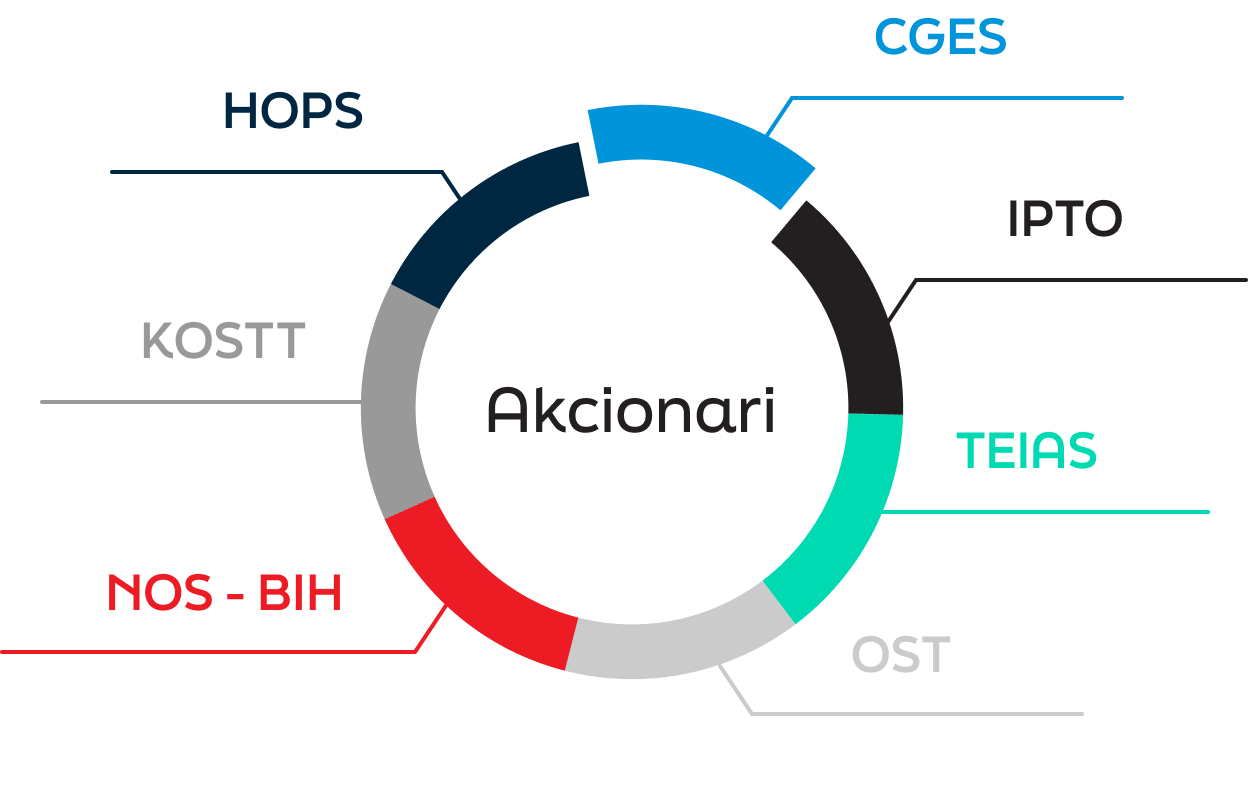
SEE CAO ltd (South East Europe Coordinated Auctioning Office) is the first regional electric power initiative with its seat in Montenegro. CGES is one of the seven owners together with system operators of Croatia, Bosnia and Herzegovina, Albania, Greece, Turkey and Kosovo. SEE CAO is responsible for development of an unique regional electricity market, and through the role of legal person which on behalf of its seven owners on one place it coordinately solves issues of access to cross-border transmission capacities.

Visit website Read more
SEE CAO ltd
Belen d.o.o

Belen Ltd.

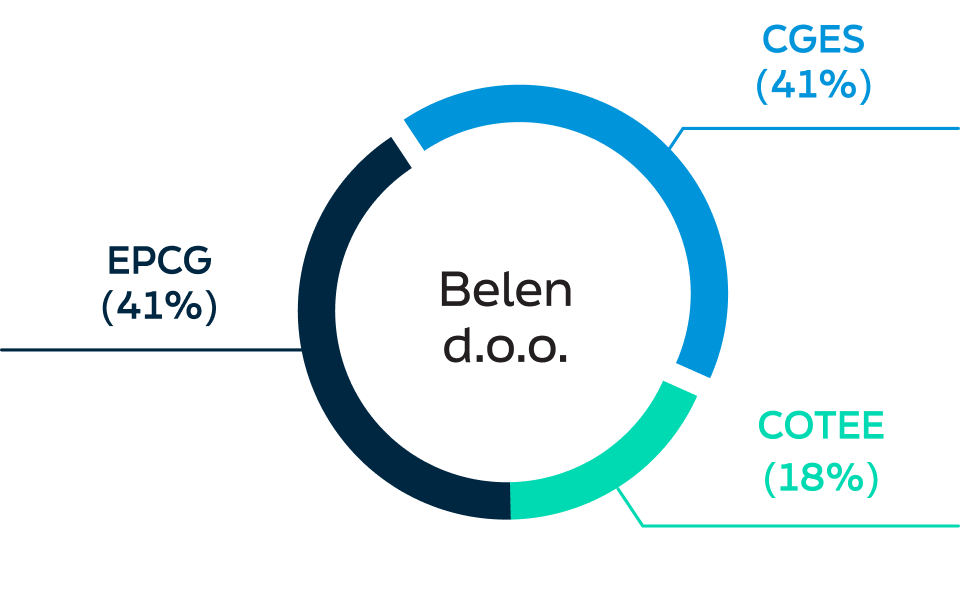
BELEN d.o.o. is the Power Exchange established by CGES, COTEE and EPCG. In addition to establishing and launching an organized DAM in Montenegro, BELEN's goals include connecting the electricity market with at least one neighboring country, as well as establishing intraday and futures markets afterwards, creating new business opportunities for market participants and ensuring better efficiency, more competitive prices and greater security, quality and service standards.

Visit website Read more
Belen d.o.o

Security Coordination Centre SCC, Ltd Belgrade (SCC)

Through provision of services to interested transmission system operators in the Southeast Europe region, Security Coordination Centre SCC, Ltd Belgrade (SCC) contributes to a reliable and secure operation of transmission systems in the Southeast Europe region and contributes to electricity market development in the region and its integration in the Pan-European electricity market.

This is ensured primarily through implementation of:

  • binding functions in accordance with the European Network Codes/Binding Instructions, MLA for RSC(I) and decision of competent ENTSO-E authorities
  • other activities according to agreement between transmission system operators in the region, and based on their business interests.

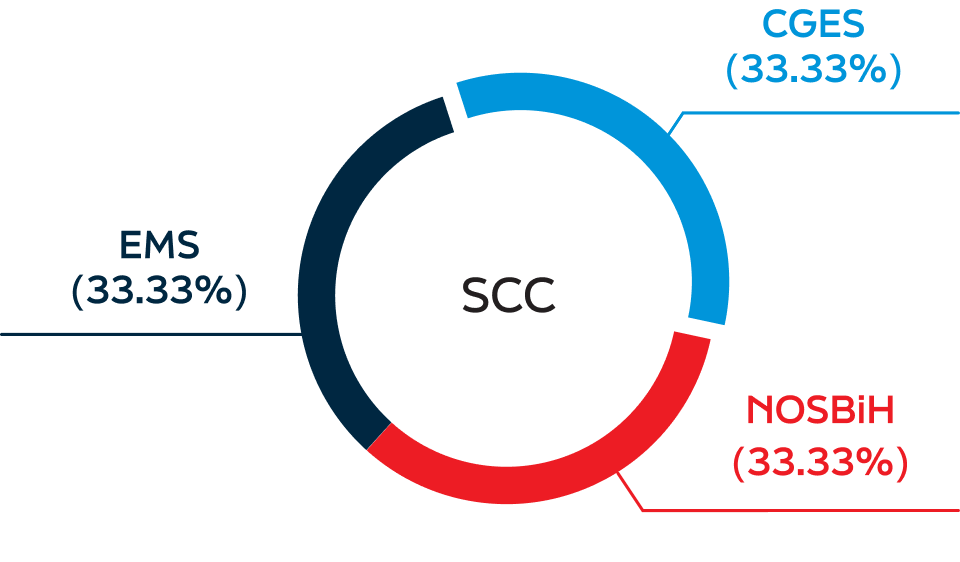
Founders of the Security Coordination Centre SCC are: Crnogorski Elektroprenosni Sistem AD, JP Elektromreža Srbije and Nezavisni Operator Sistema u BiH. SCC began operating on 01 August 2015. Contract on establishment of SCC was signed by transmission system operators of Montenegro, Serbia and Bosnia-Herzegovina on 21 April 2015.

Specific services provided by SCC to its founders are the following:

  • enhancement of individual network models and creation/delivery of an unique network model,
  • calculation of capacities,
  • security analysis, including corrective actions (corrective actions are the function being developed),
  • calculation of short-term and medium-term system adequacy (function developed at ENTSO-E level),
  • overhaul planning coordination (function developed at ENTSO-E level),
  • other activities in accordance with Network Codes, as well as other activates allowed by law.

SCC takes activities in securing funds from other sources apart from revenues from founders in order to be capable of improving its business processes, and particularly of implementing software modules needed for the fulfilment of ENTSO-E requirements. In these terms, the securing of funds from a 1 million EUR donation that shall be used for the project of enhancement of the existing software tools, as well as implementation of EMF (European Merging Function) functionalities upon ENTSO-E requirement, is in final phase. KfW is in charge of this project.

SCC gives a significant contribution in terms of independent development of project documents, and it is expected also that SCC will operationally manage project activities during project implementation. In these terms, SCC, by its active engagement, enabled not to hire external consultants, thereby saving a significant portion of duns that will be used for the implementation of technical functionalities.

With the assistance of its members that already taken concrete activities in the region, SCC is in the position to have significant prospects of enlarging its membership.

In these terms, SCC developed a business plan for the next five years in which it envisaged admission of new TSO members and service users. Admission of new users will have, besides other positive effects, also an impact on reduction of price of services by TSO.

Based on analysis from the five-year business plan, it can be concluded that SCC has potential and development possibilities to take a leading position in the SEE region in the future period. Dynamic environment, continuous changes, large investments in software and IT equipment and investments in further development of employees represent challenges that employees and owners of SCC will face. Level and scope of these changes, as well as potential changes of ENTSO-E regulations will condition also the level of implementation of planned values, as well as the level of achievement of set targets in the concerned period. Detail analysis from the aforementioned business plan show that SCC operation is sustainable with a big potential for further development, both in case of admission of new members and continuous operation with the existing number of members.

Linked pages