CGES is building an energy bridge to Europe: New laws and infrastructure investments in EU focus
Praise for impressive results and transparent work
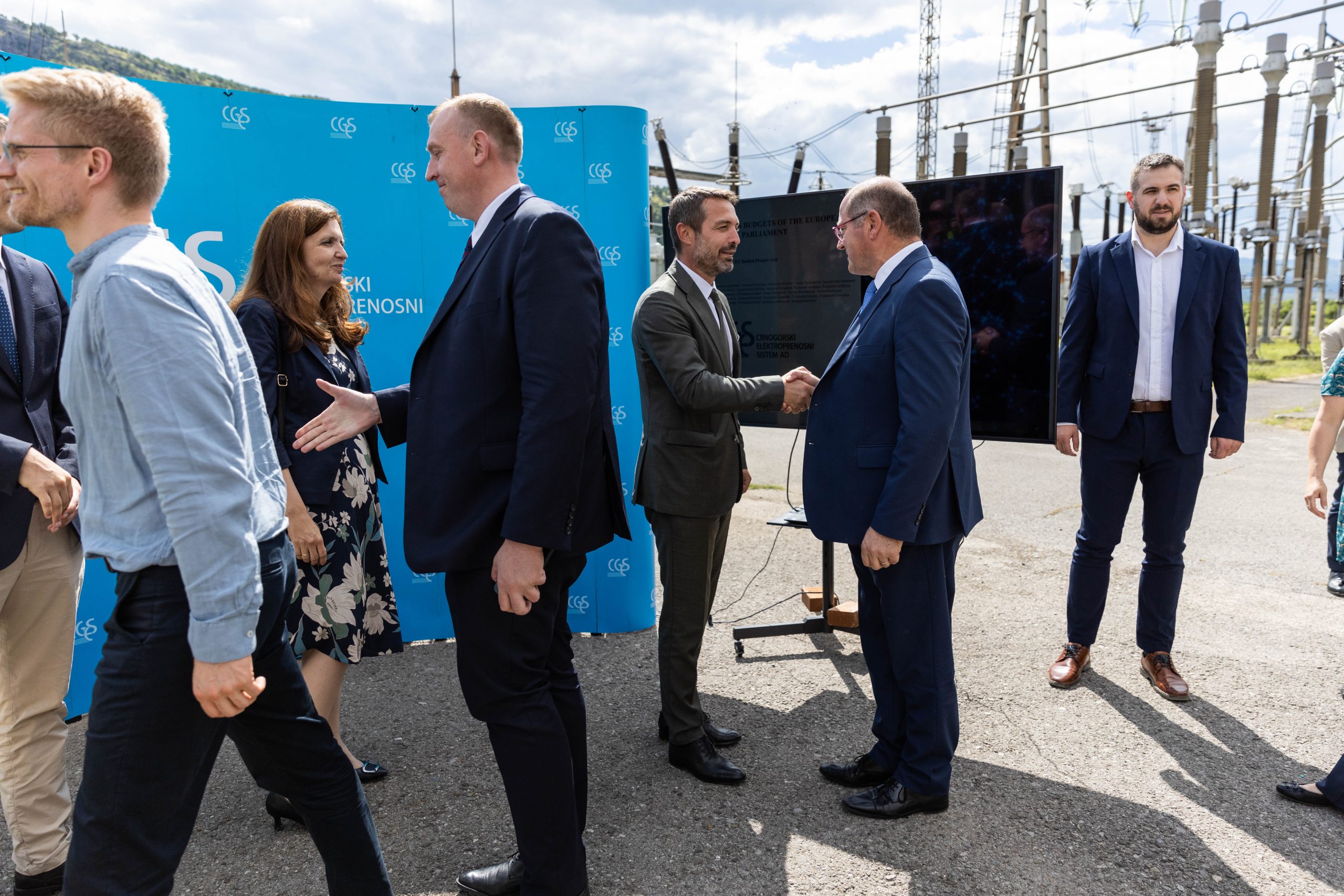
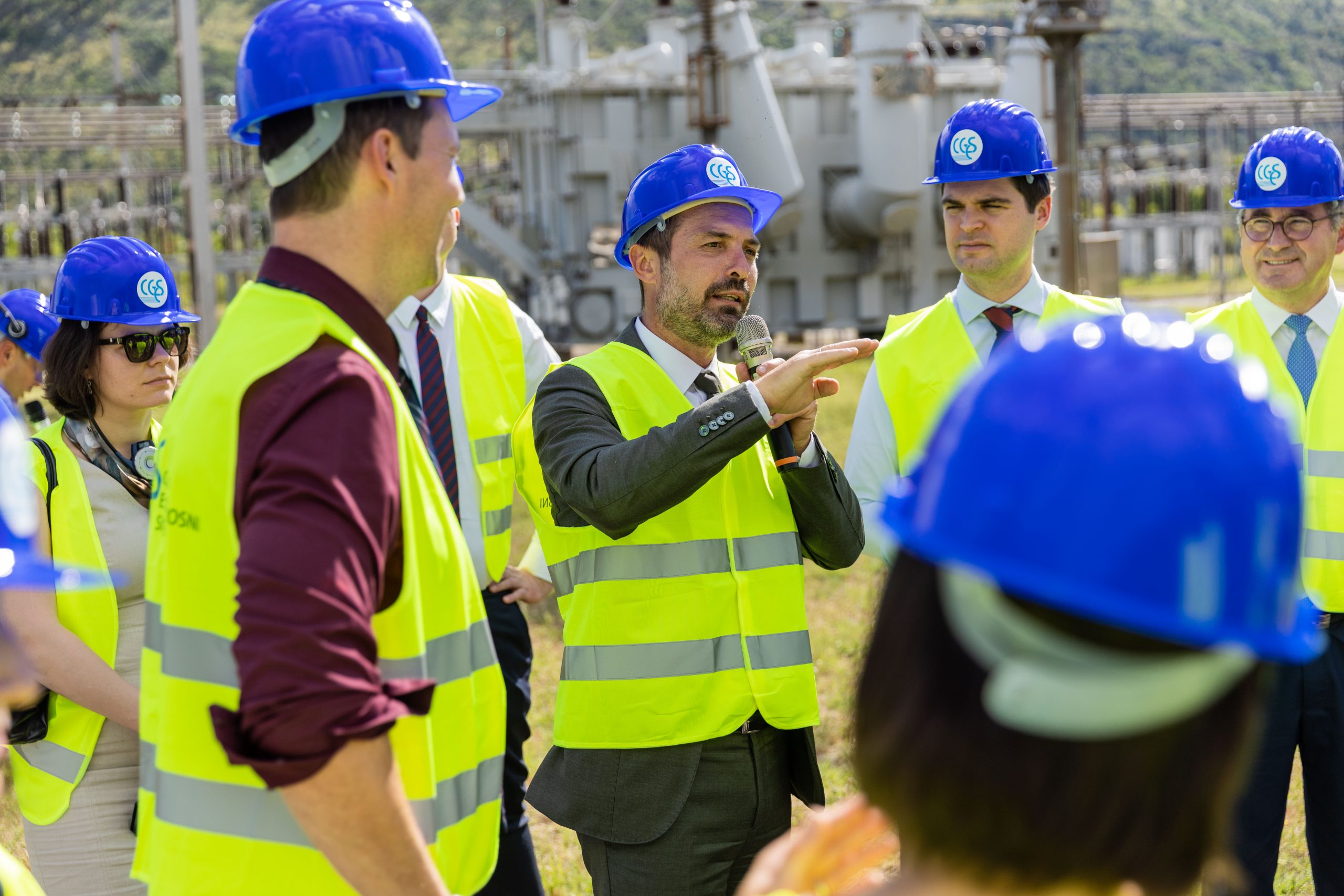
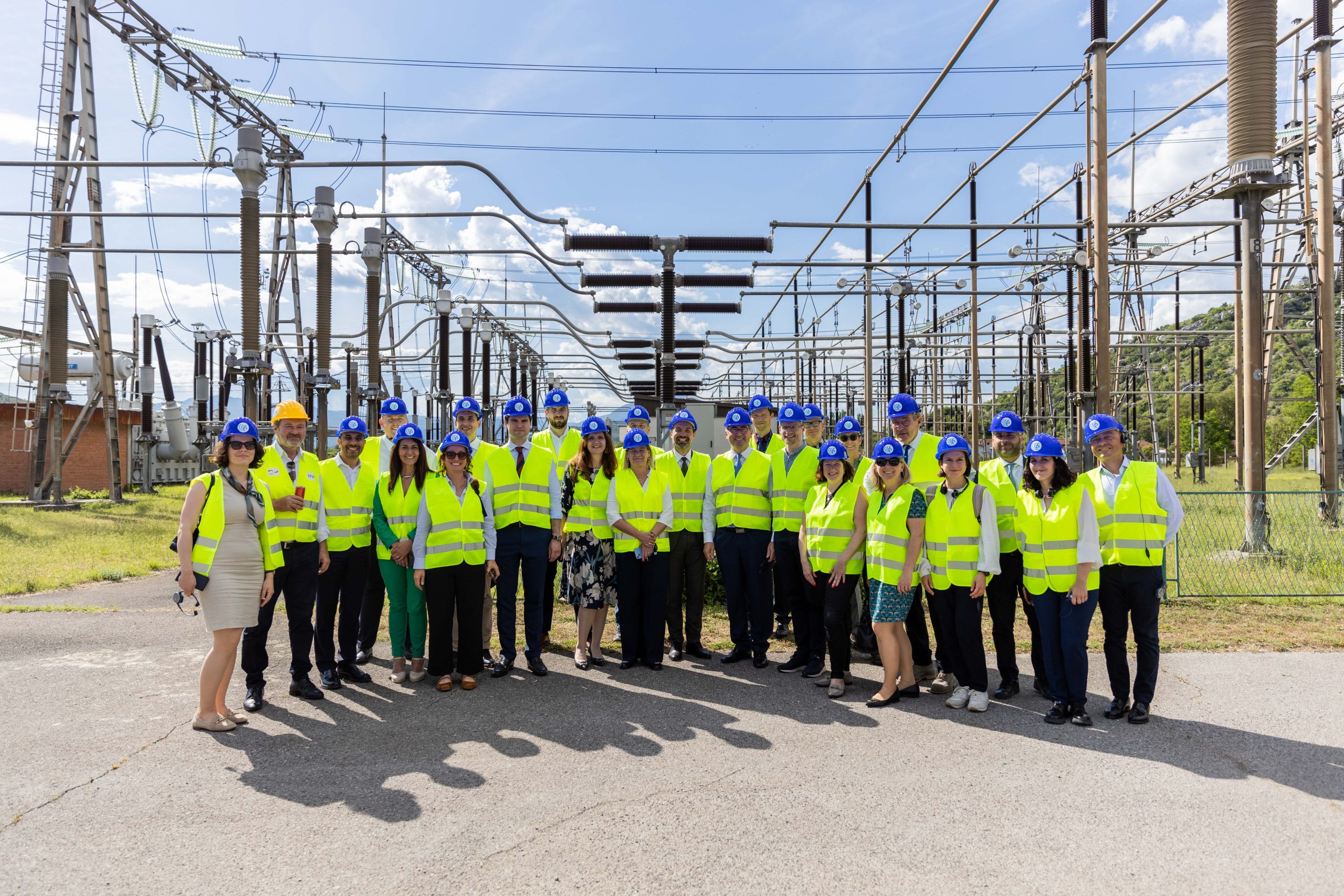
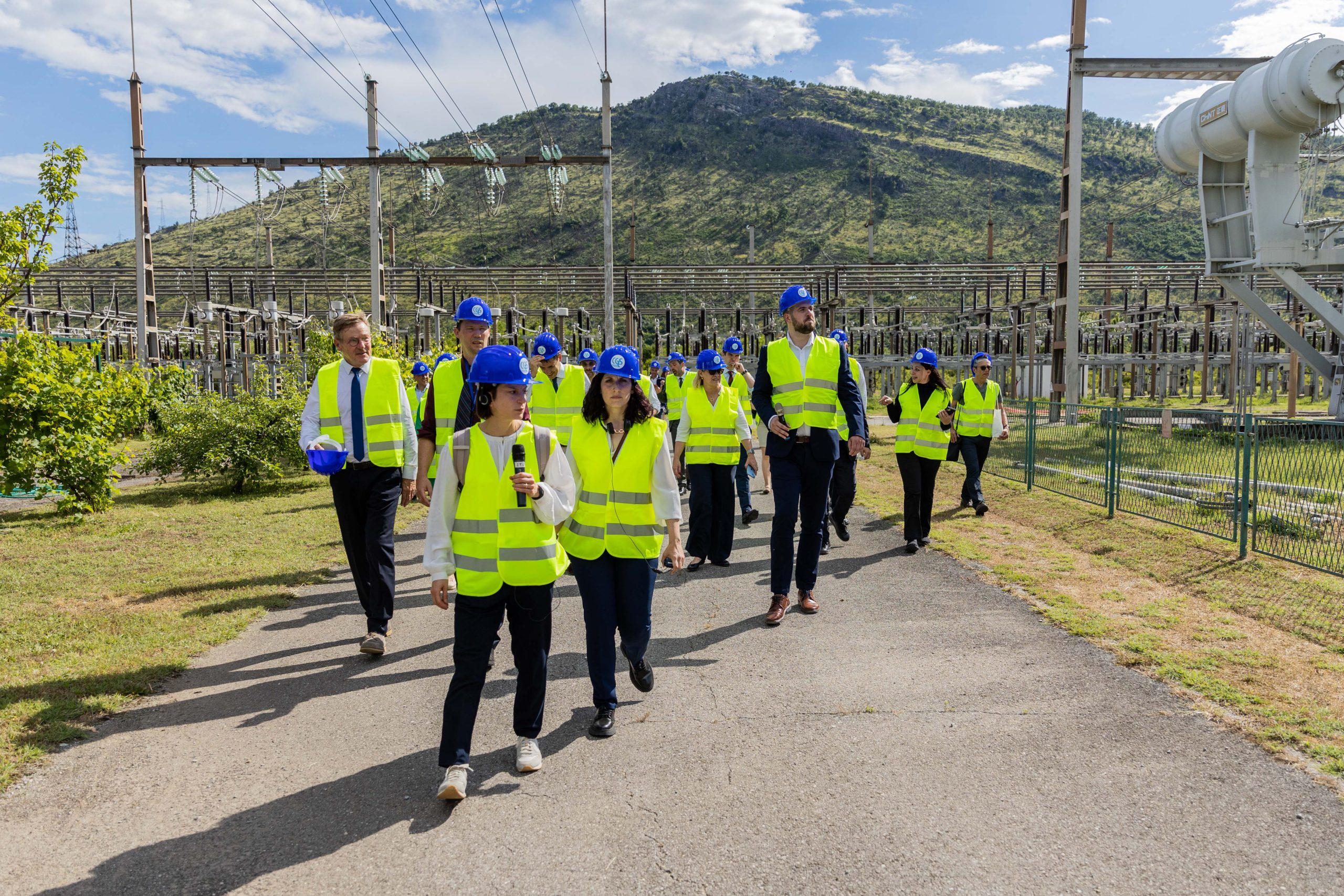
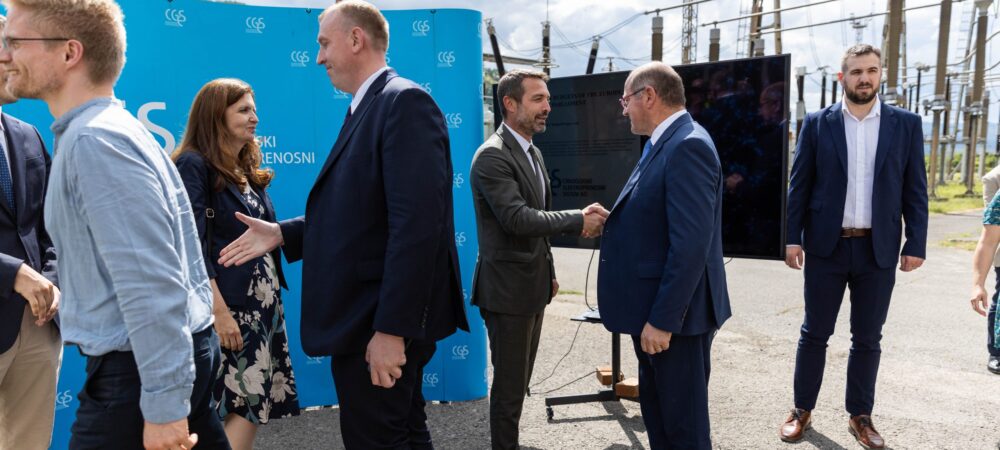
Projects implemented by Crnogorski elektroprenosni sistem (CGES) have been attracting the attention of the European Union for many years, as evidenced by the continued interest in our infrastructure initiatives.The visit of Members of the European Parliament to the 400/110 kV “Podgorica 2” substation is yet another indication that our commitment to developing energy infrastructure does not go unnoticed at the European level.
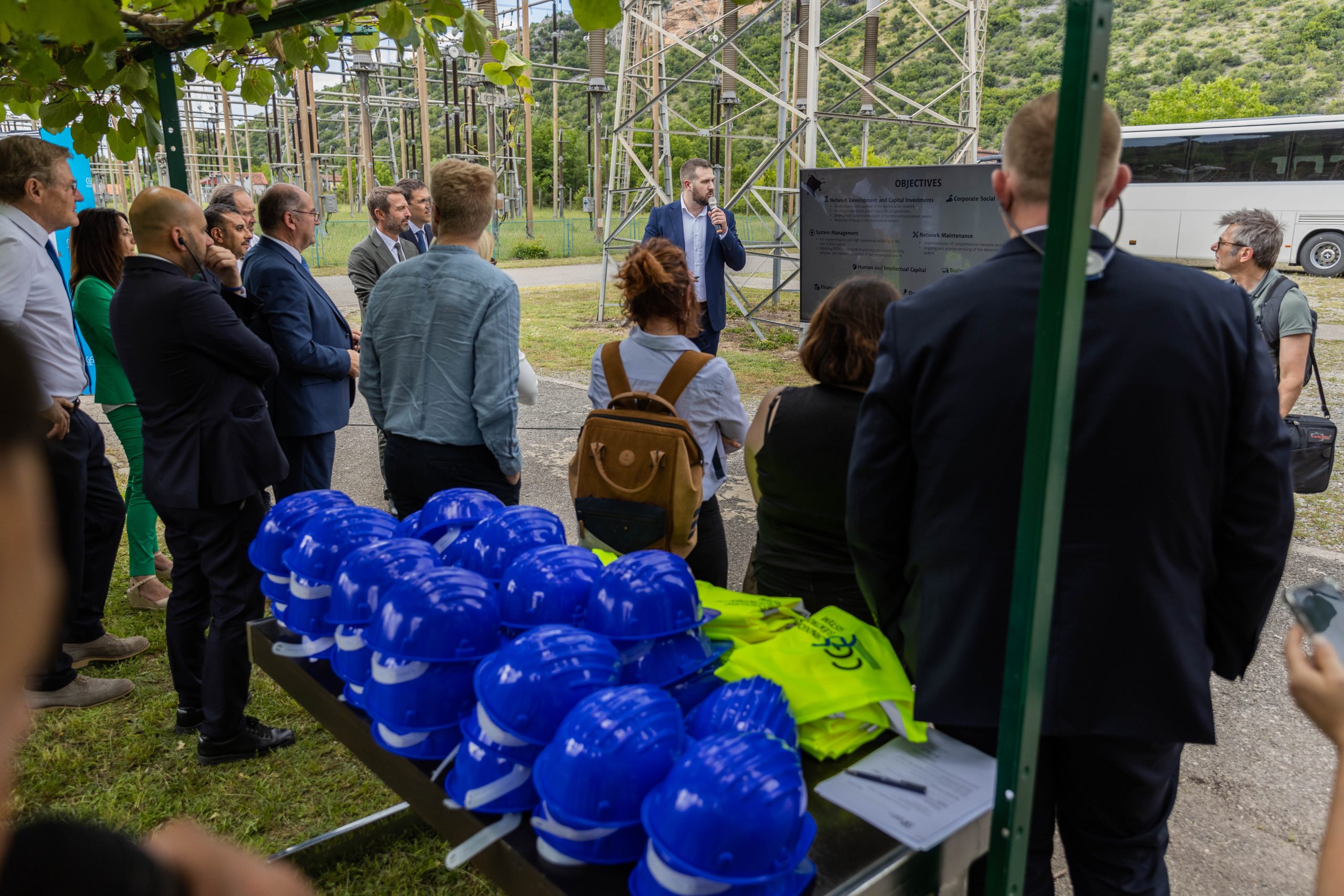
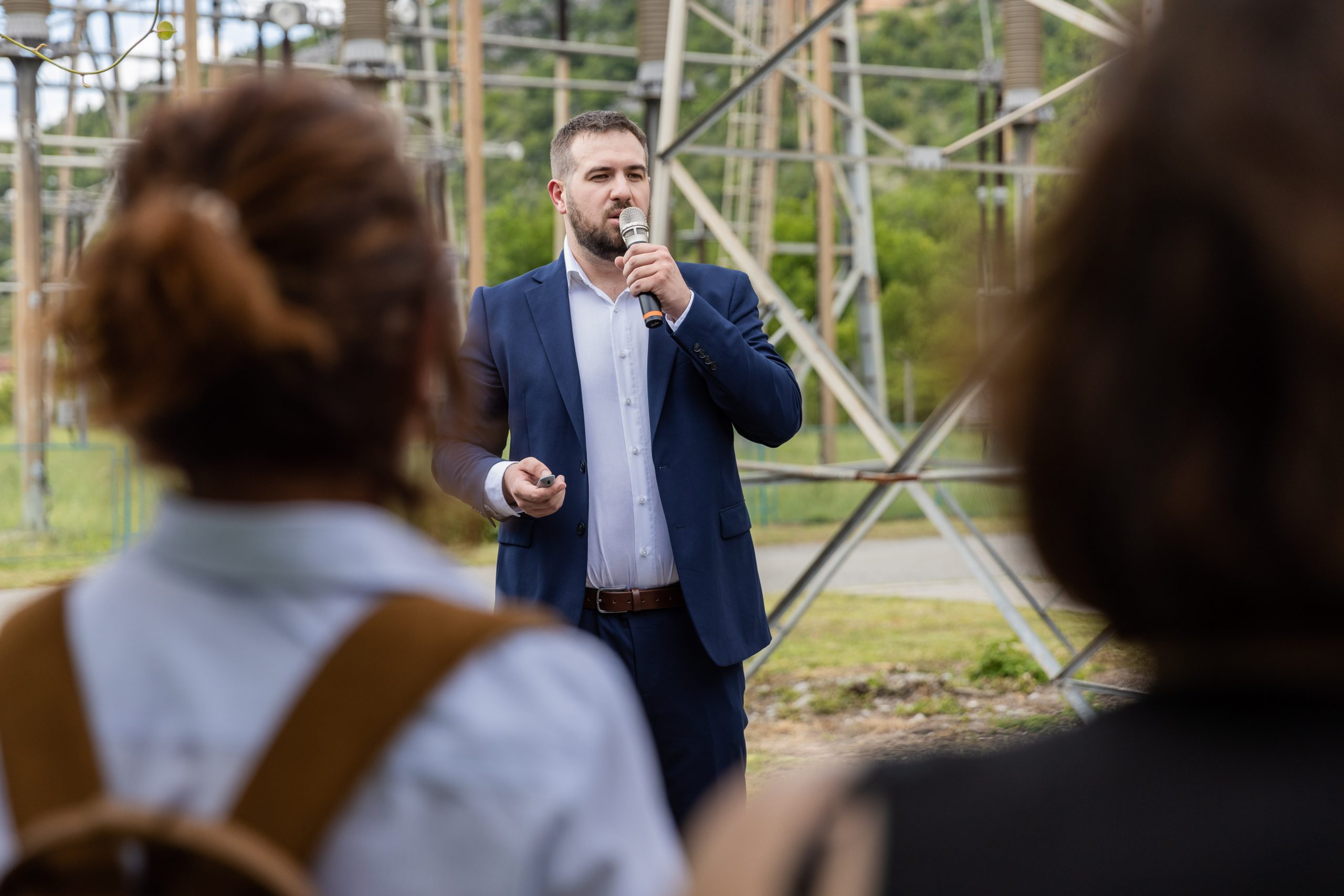
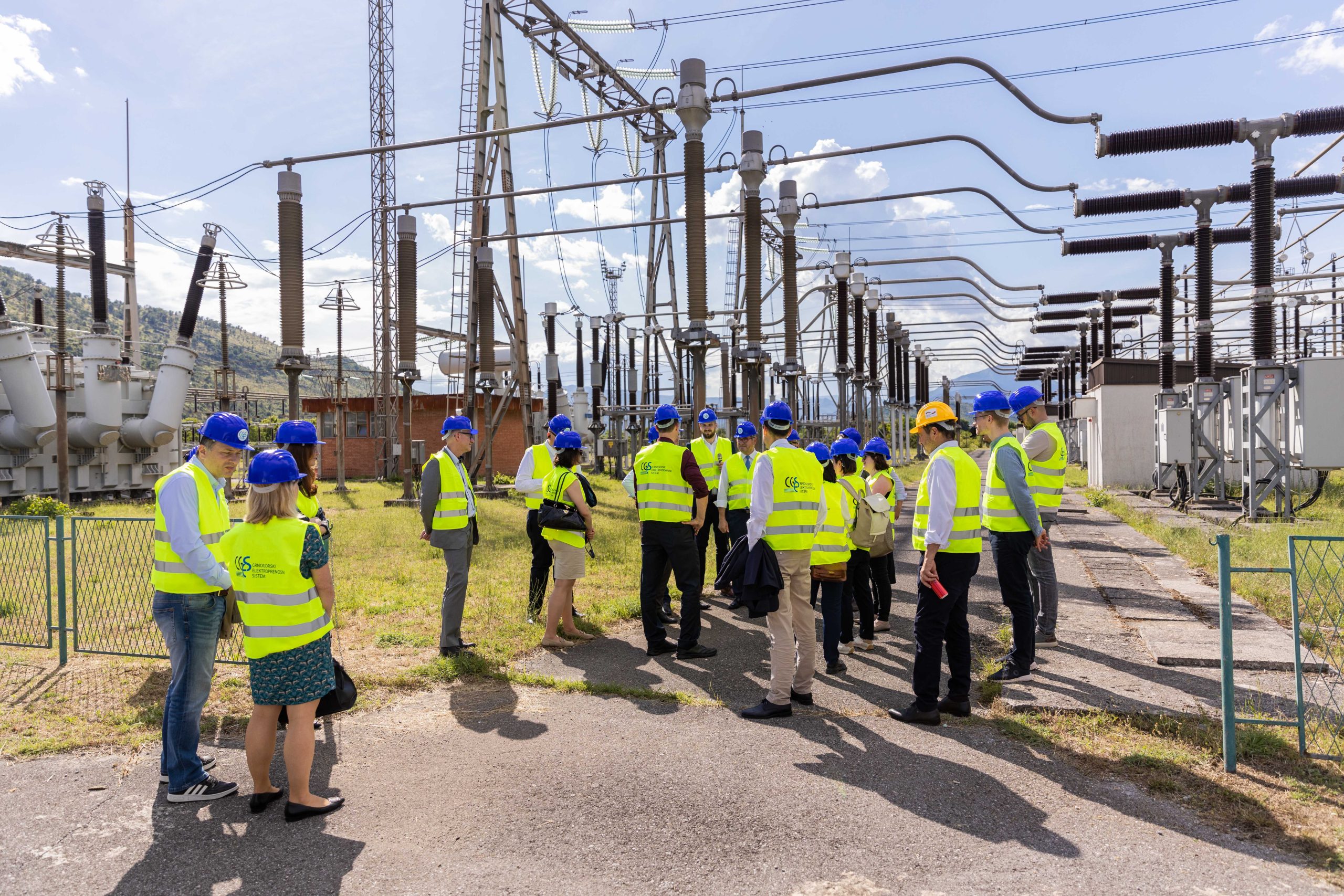
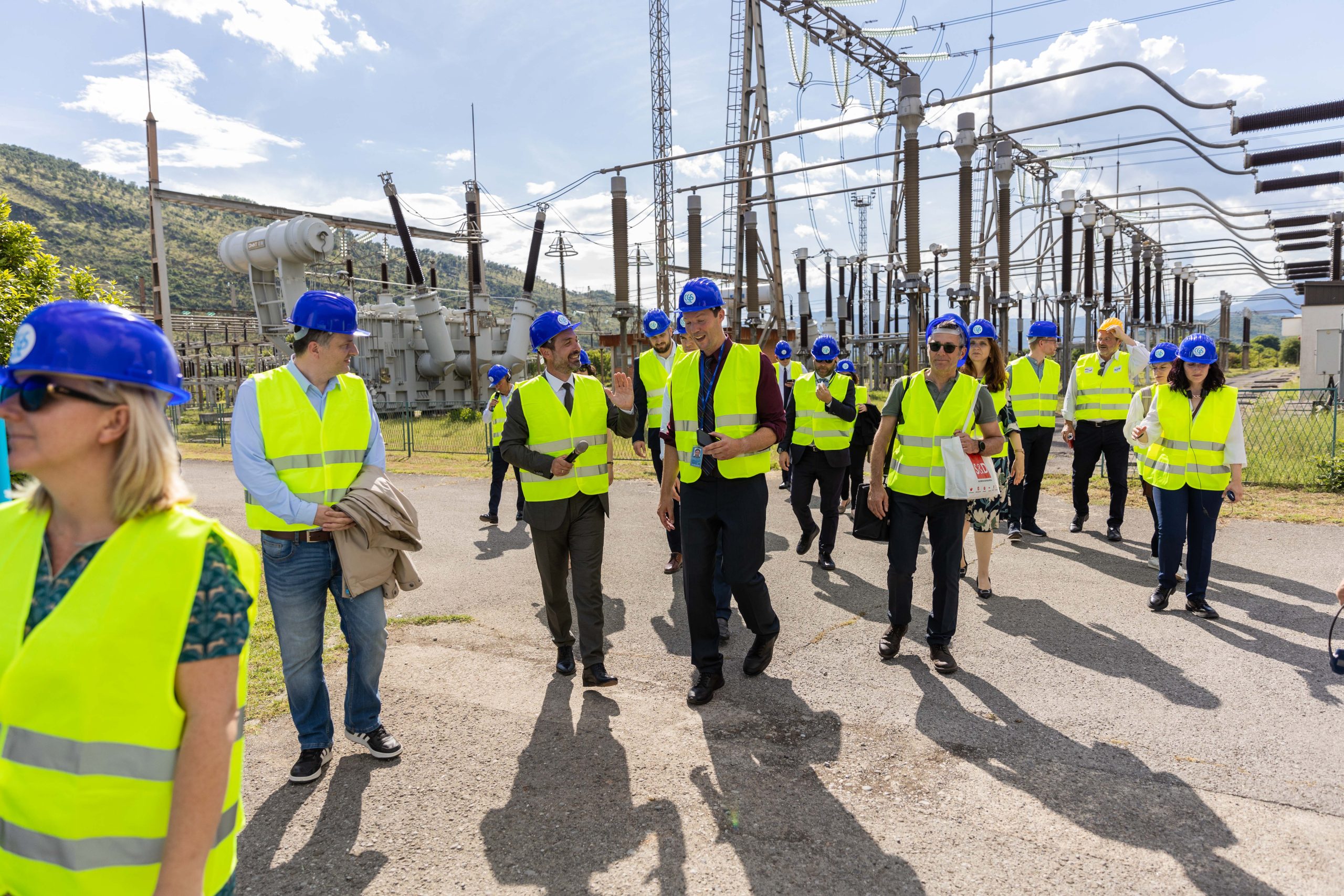
This visit is one of many made by EU representatives to Crnogorski elektroprenosni sistem. Our infrastructure and ongoing projects continue to draw the EU’s attention, and our efforts to develop the energy network are consistently recognized and supported. Ivan Asanović, Executive Director of CGES, with his closest collaborators – Leda Minić, director of Elektroprenos Dragan Perunović, Director of the Development and Engineering Sector, welcomed the delegation, while Aleksa Knežević, Chief of Staff to the Executive Directorpresented key aspects of the Trans-Balkan Corridor Project i.e. details that enabled the MPs to gain a complete picture of its importance and impact on the electricity grid of Montenegro and beyond.
Mr.Knežević particularly emphasized that Crnogorski elektroprenosni sistem continued to work intensively on harmonization with European standards and regulationsthrough a series of activities in the field of electricity market integration and regional coordination. The focus is on the completing Electricity Market Integration Package (EIP), the implementation of which is expected in Montenegro in the coming months. New Energy Law was adopted in March 2025, while the Law on Cross-Border Exchange of Electricity and Gas is in the drafting phase. The validation of the transposition process of the package is carried out by the European Commission and the Energy Community.
In parallel, market coupling process between Italy and Montenegro is underway, whereby company has been granted observer status in MCSC(Market Coupling Steering Committee).
The visit took place in a highly interactive atmosphere with numerous questions, constructive comments, and expressions of praise for the high level of professionalism and engagement shown by our expert teams. The Members of the European Parliament noted that the results achieved by our company were impressive, especially in the context of the complex challenges facing the energy sector.
One of the questions raised concerned the lengthy duration of our infrastructure projects. It was explained that there were many challenges involved, the most significant being the lack of acceptance from local communities and environmental organizations. That is why the public needs to understand our role, responsibilities, and obligations in maintaining a stable and reliable energy system.
Special attention during the visit was paid to topics related to the power system operation under conditions of an increasing share of renewable energy sources in total electricity production. It was emphasized how demanding it was to maintain network security under these conditions and how crucial it was to continue increasing investments in the grid.
After the visit, Members of the European Parliament expressed their satisfaction with what they saw, offering clear commendations for the company’s commitment, results, and transparent approach to addressing the challenges of the energy transition. As they stated, support from European institutions would be an important incentive for further progress and deeper integration into the common European energy market.
It is worth recalling that the Trans-Balkan Project, for which a €25 million EU grant was awarded included, inter alia, the modernization of 15 substations across the country, among which, the 400/110 kV “Podgorica 2” substation stood out and was the focus of attention during the parliamentary visit. This substation is one of the key facilities for the stability of Montenegro’s power system, ensuring reliable electricity supply to Podgorica, Cetinje, and the Montenegrin coast. The modernization included the replacement of high-voltage equipment and the reconstruction of the protection system, further enhancing the reliability of the grid and making our power sector even more secure and efficient.
In addition, CGES recently received a significant grant of over 9.5 million. € through the Western Balkans Fund (WBIF). These funds are intended for the realisation of two extremely importantžon the project for the electricity infrastructure: the construction of a 400/110/35 kV substation „Brezna“ the amount of 6.4 million €, and the construction of the 110 kV DV „Herceg Novi – Vilusi, worth 3.1 million €.Let us not overlook the €3 million in non-returnable funds allocated for feasibility studies of two key energy infrastructure projects: the 400 kV 'Brezna–Sarajevo' transmission line and the 110 kV 'Virpazar–Ulcinj' line. These projects mark a step forward in strengthening a stable and secure energy network — a vital foundation for Montenegro’s economic development and integration into the regional electricityžmarketžandštem električ.
CGES has been continuously investing in the development of the transmission grid throughout the territory of Montenegro. These projects facilitate more efficient management of energy resources, integration of renewable energy sources into the power grid, and strengthening of energy security. These investment undertakings are expected not only to increase the system’s capacity but, at the same time, to contribute to further energy infrastructure development in the region, while focusing on regional cooperation and energy connectivity.
The visit of the Members of the European Parliament represents yet another step in the EU’s ongoing support for Montenegro on its path toward energy stability and sustainable development.