Energy, in addition to its primary role, will become a driving force for economic growth and development in the time ahead.
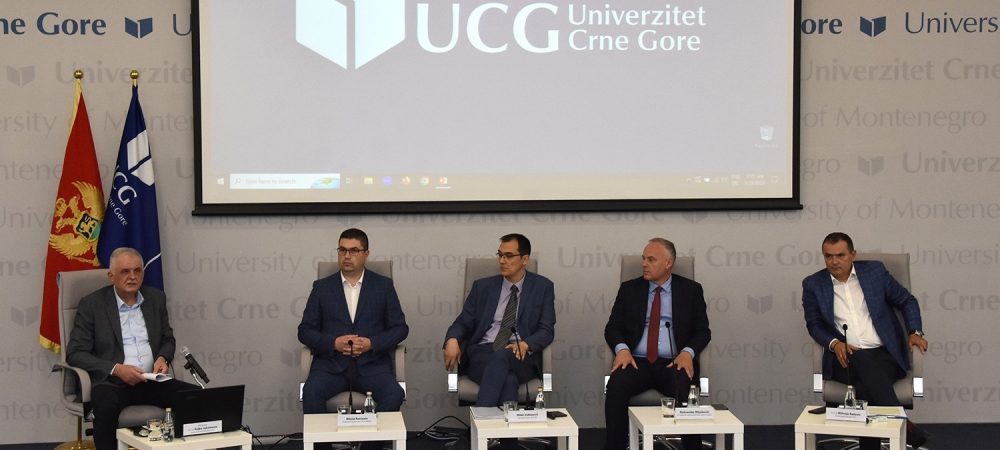
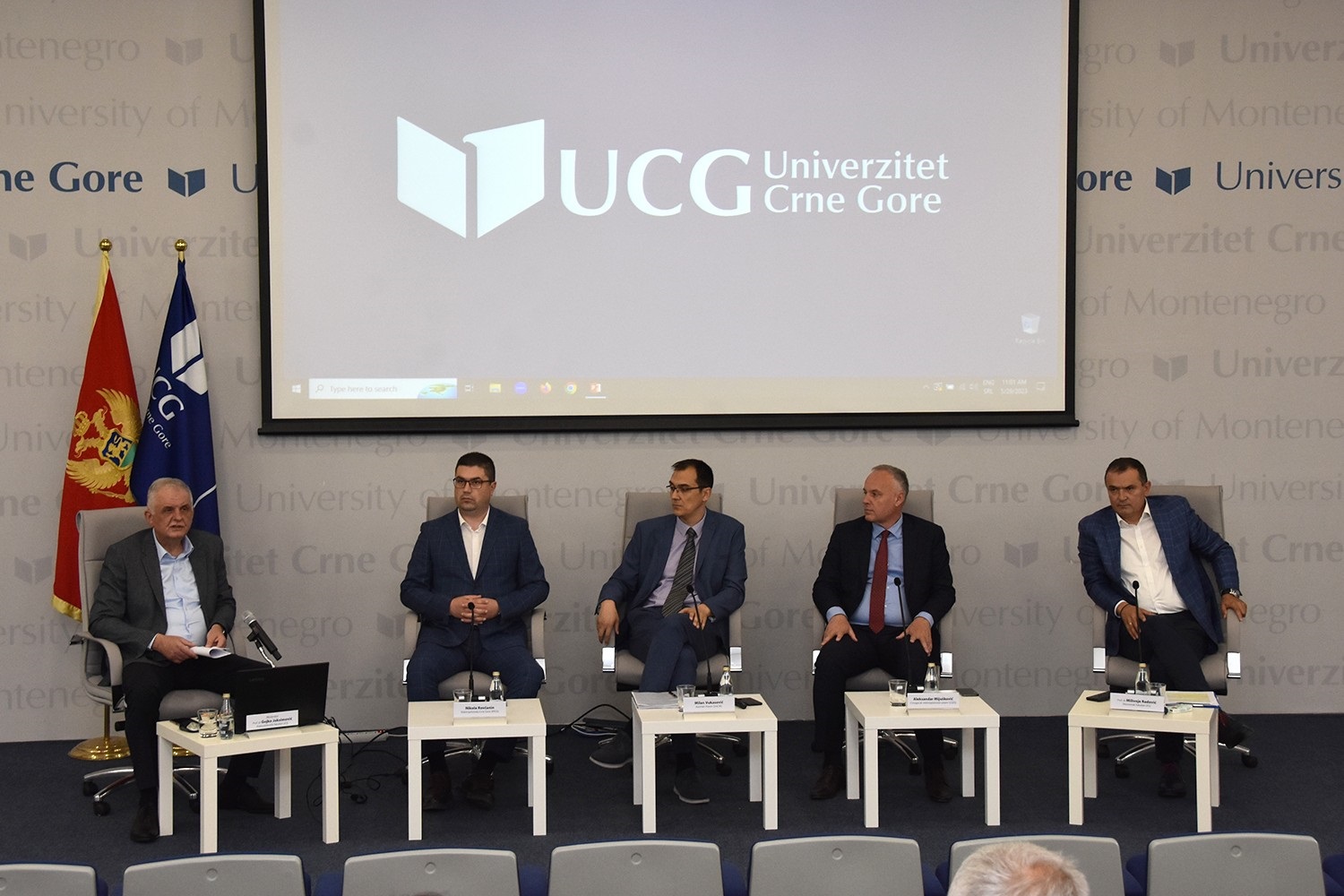
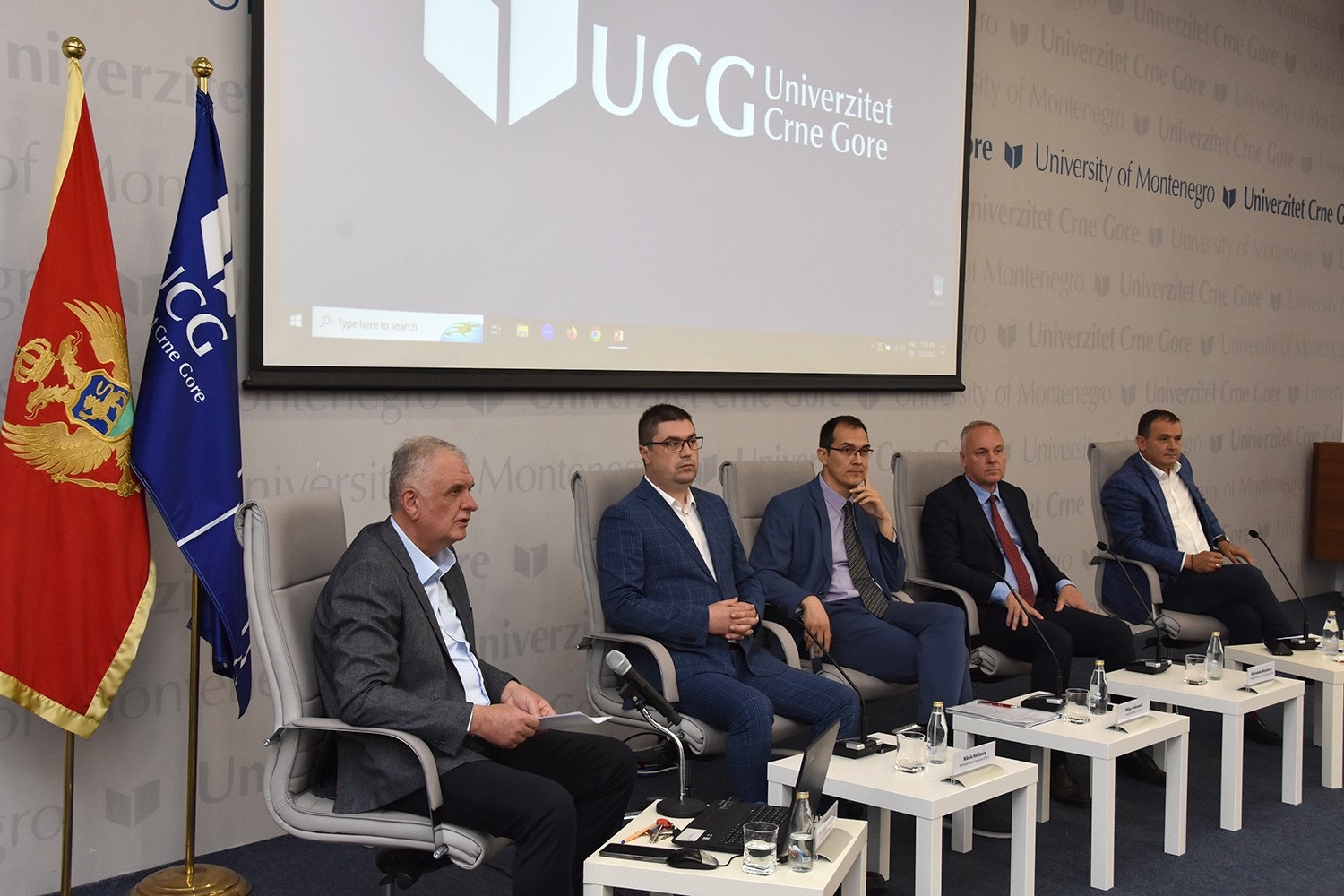
The University of Montenegro organised a public forum today on the topic 'Electricity as a Potential Generator of Montenegrin Economic Growth', at the Rectorate of the UCG.
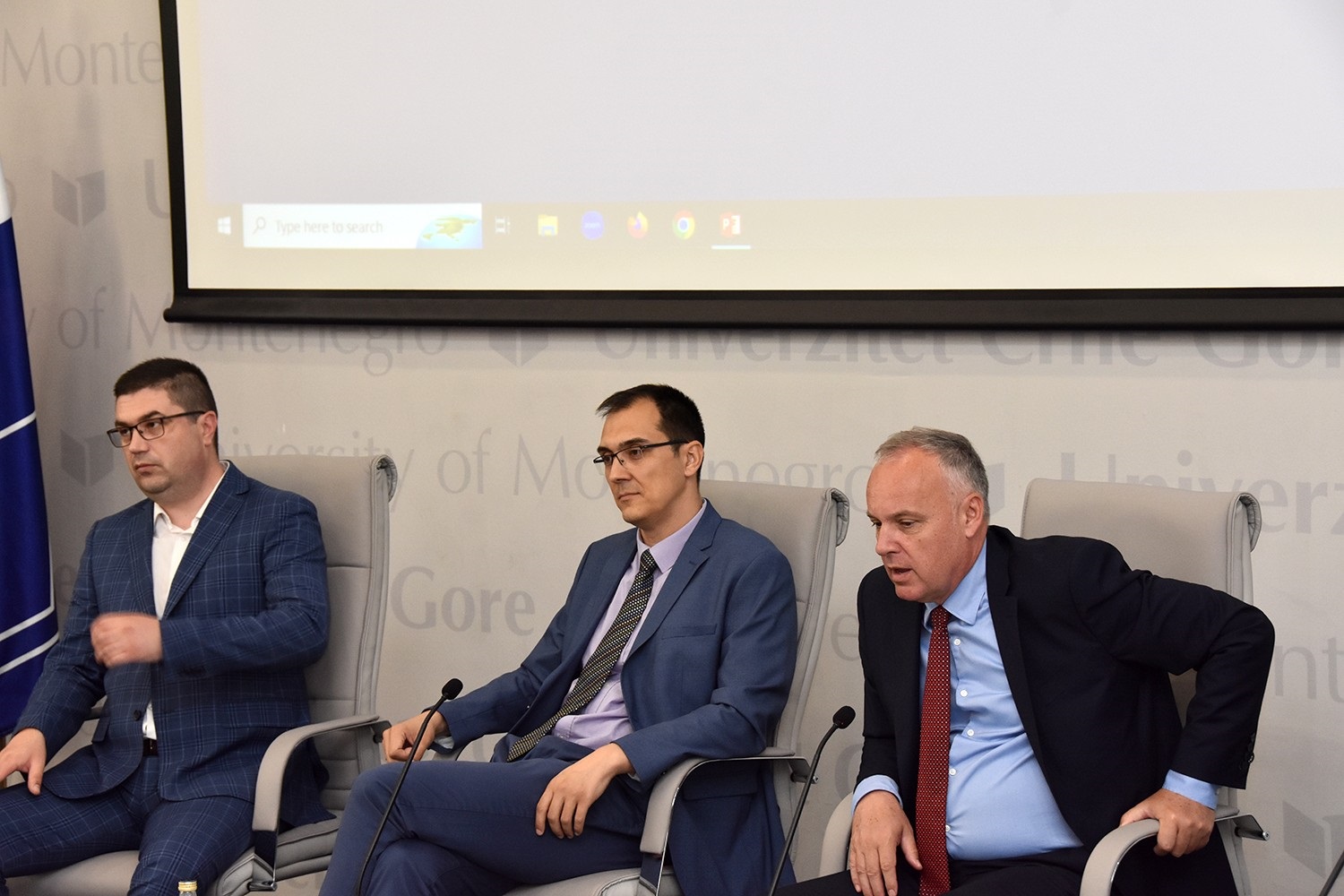
The panellists were: Aleksandar Mijušković, Chairman of the CGES Board of Directors, Nikola Rovčanin, Executive Director of Elektroprivreda Crna Gora, Prof. Dr Milivoje Radović, from the Faculty of Economics, UCG, MSc Milan Vukasović, team leader in the system management department of the Austrian transmission network operator (Austrian Power Grid AG), and mediator Prof.
doctor Gojko Joksimović, ETF-Podgorica.
What are Montenegro's characteristics in terms of its electricity supply? What is the position of Montenegro's electricity sector in light of the current European energy packages and the general European regulation in this area? What have been the economic and other effects of the submarine cable between Italy and Montenegro so far, and how can they be multiplied? To what extent can the intensive development of renewable energy sources influence the desired course of events? These were the topics of this, we would say, exceptionally constructive public forum, which brought together experts, or rather panellists from the energy sector and academia, and which captured the attention of the attendees and encouraged their active participation.
Chairman of the Board of Directors of CGES, Aleksandar Mijušković, speaking about the utilisation of the undersea cable, which has brought numerous benefits not only to the company but also to the state, he pointed out that CGES had made a record profit since its foundation: 17 million in the penultimate year and 20.3 million in the last year. He expressed his satisfaction with the fact that CGES will make a decision on the distribution of a dividend of 8.2 million euros at its regular General Meeting of Shareholders, a fact of which he is very proud.Mijušković also emphasised that thanks to the submarine cable, Montenegro has become a bridge between Europe and the Balkans, and as such represents an energy hub.Numerous investments are continuing, among which the completion of the construction of the 400 kV 'Lastva-Čevo-Pljevlja' transmission line plays a key role; this is an extremely complex project. "Our system is exceptional and as such is ready for new sources of electricity. We are already prepared and represent a good foundation for future investments in the energy sector," concluded Mijušković, reminding the public which projects are on the list of planned investments that CGES will implement in the coming period.
The global electricity system has undergone tectonic changes over the past few decades. These changes have been the result of both the development of new technologies, particularly in the field of renewable energy sources, and newly introduced market principles of operation.
The Executive Director of Elektroprivreda, Nikola Rovčanin, emphasised that the electricity company had successfully dealt with the energy crisis without placing a burden on end consumers.He also pointed to the need, or rather the necessity, of a Law on Strategic Planning, which would be completely separate from the Law on Construction, and he stated that it must not to shut down TE 'Pljevlja', as the only stable source of energy. Foreign experts, however, have a different view of its future.
"For Montenegro, the thermal power plant, as the worst option, is to be kept in some standby reserve, which can be activated as needed to meet the demand for electricity in crisis situations," it states. Milan Vukasović from the Austrian transmission network operator.
"Alongside tourism, energy must be a pillar of Montenegro's development," said Professor Dr Milivoje Radović.
The message from the panel was that it is certain that energy, in addition to its primary role, will in the time ahead also become a driving force for economic growth and development.